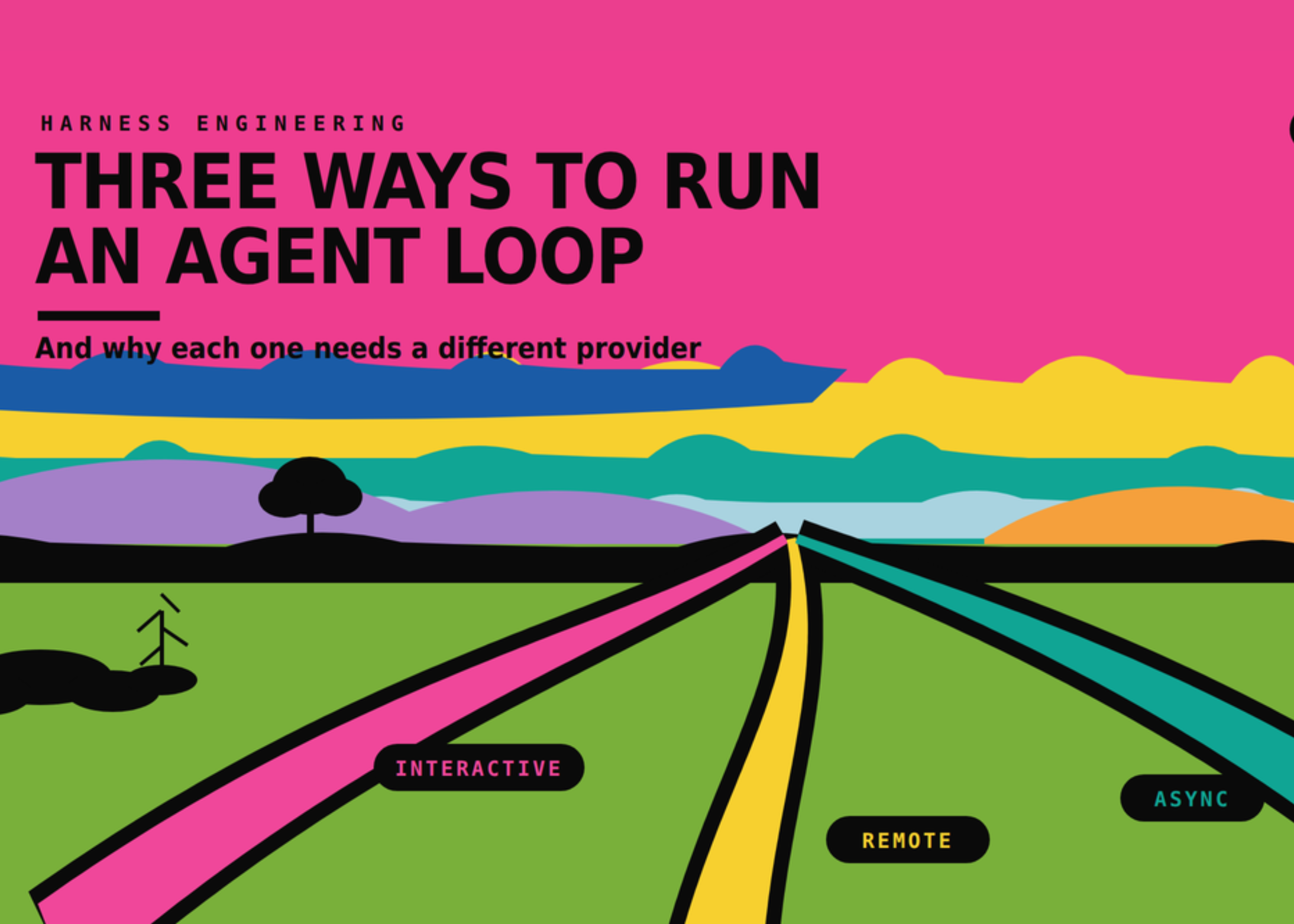
Decoding AI’s Open-Source Course Maps Three Ways to Run an Agent Loop and the Provider Economics Behind Each
LangChain's Terminal-Bench study shows that optimizing the orchestration layer improves agent performance, lifting a coding agent from 30th place to the top five while keeping the model unchanged.
Recent analysis highlights that infrastructure orchestration often outweighs model selection in determining agent performance. While developers frequently prioritize choosing the latest large language model, evidence suggests the surrounding framework plays a decisive role in operational success.
Data from LangChain's Terminal-Bench study illustrates this dynamic clearly. When engineers altered only the orchestration layer while maintaining the same model, the coding agent's ranking jumped from around 30th position to the top five. This suggests significant efficiency gains are possible without upgrading to more expensive inference options.
The findings suggest a shift in focus for engineering teams building autonomous systems. Understanding provider economics and harness architecture becomes crucial for optimizing both cost and capability. As agent-based workflows become standard, the distinction between model quality and orchestration quality will likely define competitive advantages in the sector.
Consequently, investment in harness engineering literature and tools is expected to grow. Organizations may need to reevaluate their development pipelines to prioritize integration logic over simple model swapping. This approach could lead to more sustainable AI deployments that maximize existing model capabilities.
This page provides an editorial summary based on publicly available information. It is not a republished article. Use the source link below for the original report.