Meet UPDF: A Lightweight Adobe Alternative Built for the Agentic Era
UPDF released version 2.5, introducing ten AI agents designed for direct document editing and conversion. The tool aims to bridge the gap between AI summarization and actual file modification.
UPDF has launched version 2.5, positioning itself as a lightweight alternative to Adobe products tailored for the emerging agentic workflow. The update integrates ten distinct AI agents intended to handle complex document manipulation tasks directly within the software.
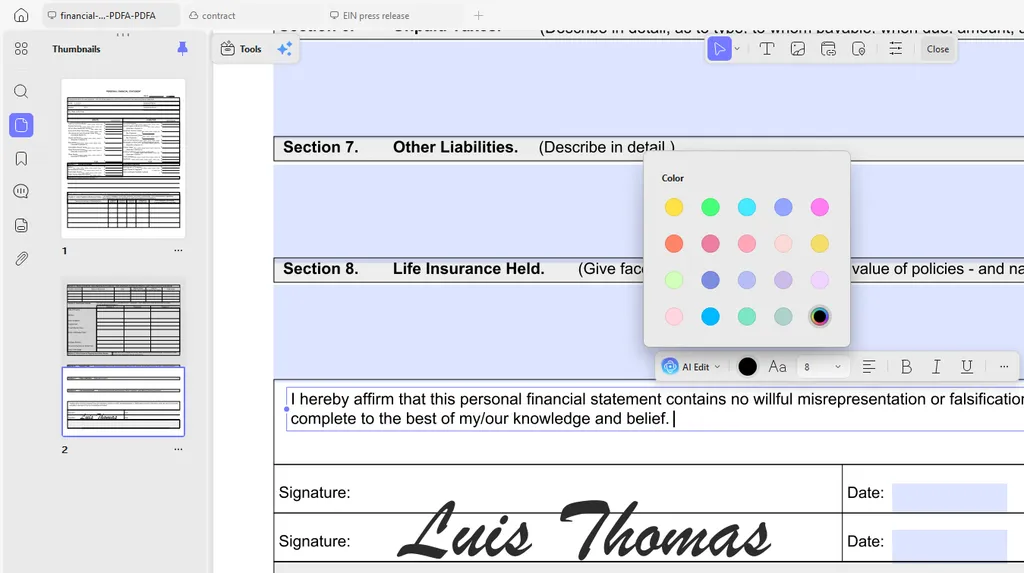
While current large language models excel at summarizing lengthy contracts, they often struggle to rewrite source files cleanly. This release targets that specific limitation by enabling direct editing capabilities alongside standard AI analysis functions.
The software supports conversion across fourteen formats and includes optical character recognition for thirty-eight languages. These features aim to streamline document processing pipelines where automated agents require editable outputs rather than static text.
As the industry shifts toward autonomous agents, tools that facilitate direct file modification become increasingly relevant. UPDF's approach suggests a growing demand for AI applications that move beyond reading content to actively managing digital assets.
This page provides an editorial summary based on publicly available information. It is not a republished article. Use the source link below for the original report.