Kling Observation ② | Recreating "Farewell My Concubine" with Kling: Cinematic Feel is Sufficient, How to Make Complex Narrative More Stable?
36Kr conducted a stress test on Kling 3.0, utilizing its image-to-video and subject binding features to recreate a "Farewell My Concubine" short film. Tests showed the model excels in composition, lighting, and character consistency, making it better suited for key shot creation.
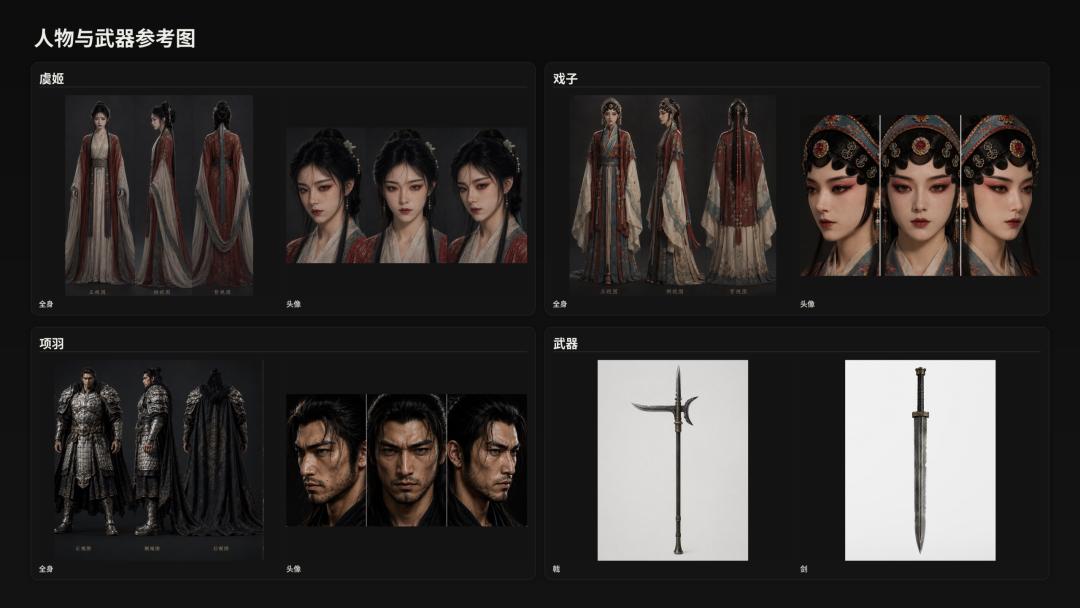
36Kr conducted an in-depth evaluation of the Kling 3.0 video generation model launched by Kuaishou. The team created an original test script around the "Farewell My Concubine" theme, utilizing the model's first-and-last frame image-to-video and subject binding features to complete a round of stress testing on complex short film creation.
This test focused on four dimensions: character consistency, composition and spatial hierarchy, lighting and atmosphere shaping, and action and camera movement design. By recording the trial-and-error process within complete tasks, the team evaluated the model's actual performance in creating complete short films involving characters, actions, and emotions.
Core conclusions indicate that Kling 3.0 performs outstandingly in composition, lighting, emotional atmosphere, and character subject consistency, and is currently better suited for key shot creation. Although the cinematic feel is sufficient, there is still room for improvement in complex narrative stability.
This evaluation reflects that AIGC video tools are evolving from single image generation towards long videos and strong narratives. With optimizations in subject consistency and camera movement design, AI video generation is expected to further penetrate film production and commercial short film creation processes.
This page provides an editorial summary based on publicly available information. It is not a republished article. Use the source link below for the original report.